
Introduction
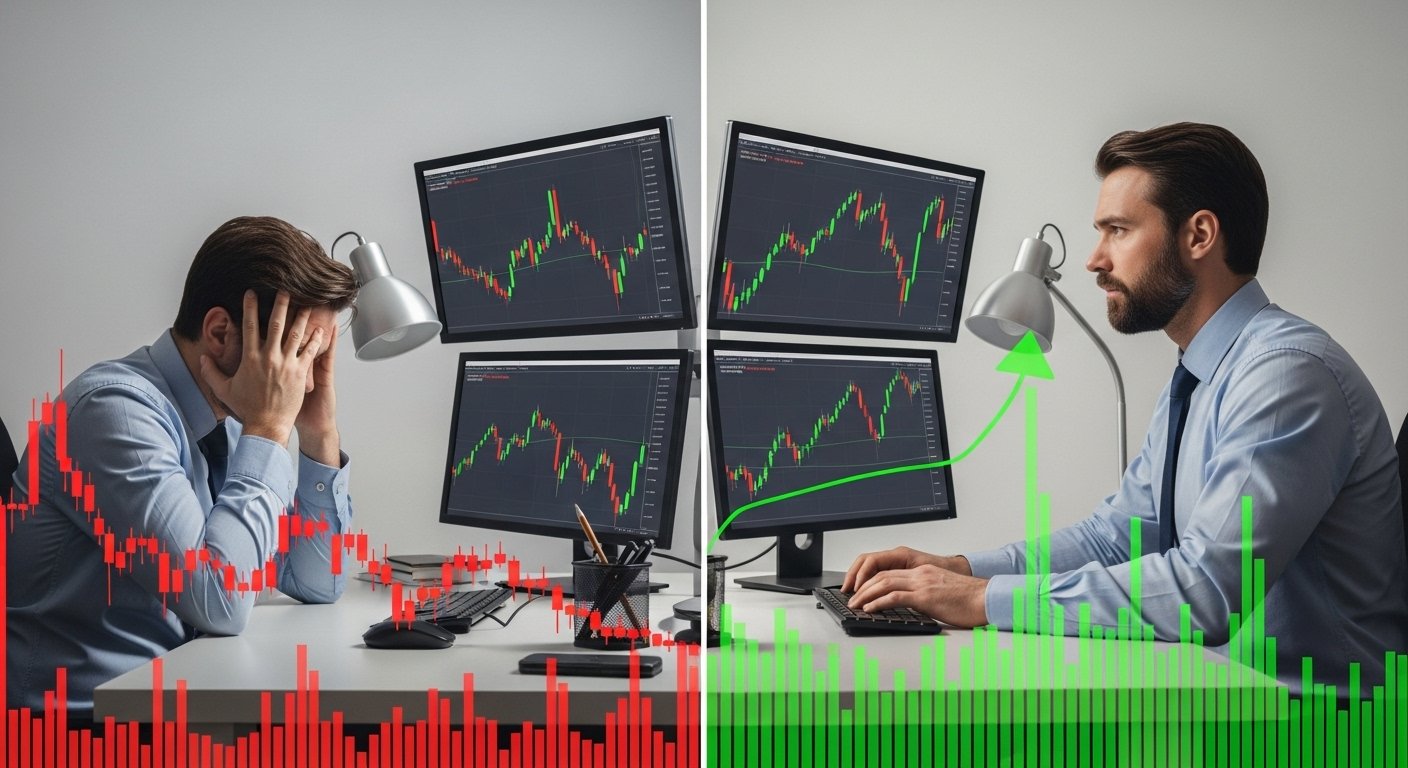
In forex trading, revenge trading occurs when a trader attempts to recover losses by placing new trades based on emotion rather than strategy. Instead of following a disciplined plan, the trader acts impulsively, often increasing position sizes or ignoring stop-loss rules, which can lead to even larger losses.
Controlling emotions is crucial in forex trading. Emotional decisions can quickly spiral out of control, eroding account balance, disrupting strategy consistency, and undermining long-term profitability. Traders who fail to manage their reactions to losses are at a higher risk of repeated mistakes and financial setbacks.
This article will guide you on how to identify and avoid revenge trading. We will cover the definition, risks associated with emotional trading, step-by-step strategies to maintain discipline, the importance of keeping a trading journal, and practical tips specifically for Forex Factory users. By the end, you will understand how to trade with discipline, protect your account, and achieve consistent trading performance.
What Is Revenge Trading?
Revenge trading is when a trader tries to recover losses immediately after a losing trade by making new trades based on emotion rather than strategy. Instead of analyzing the market or following a trading plan, decisions are driven by frustration, anger, or the desire to “win back” money quickly.
This behavior often occurs after a series of losses, during periods of high stress, or when a trader feels pressured to compensate for a poor performance. Emotional impulses override rational thinking, leading to impulsive trades and ignoring risk management rules such as stop-losses and position sizing.
The negative impact of revenge trading can be significant. It frequently results in larger losses, erosion of trading capital, disrupted strategies, and reduced long-term profitability. Even experienced traders can fall into this trap if they fail to control their emotions, making it one of the most common psychological challenges in forex trading.
Source: EBC – 10 Warning Signs You’re Revenge Trading
Why Avoiding Revenge Trading Matters
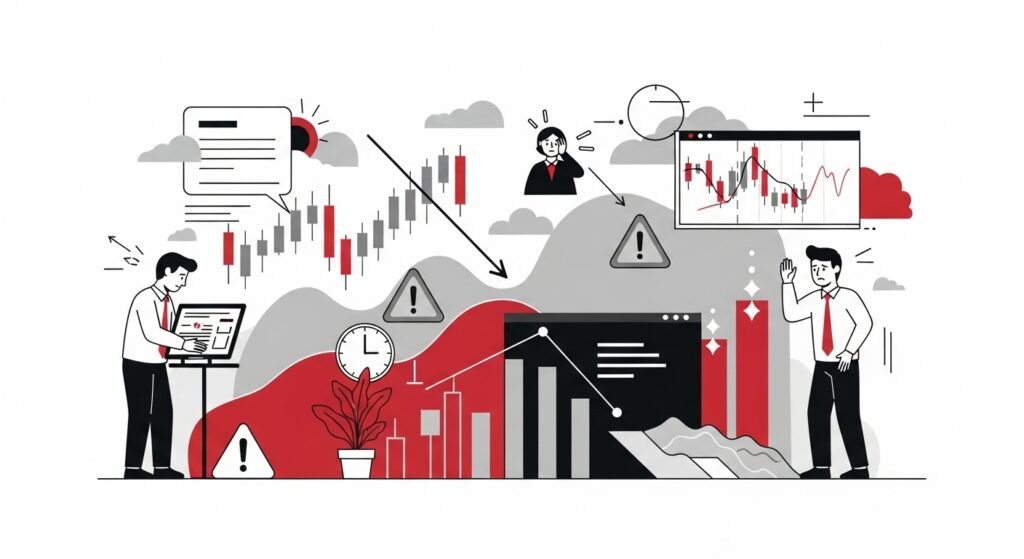
Avoiding revenge trading is crucial because letting emotions dictate your trades can have serious consequences. When traders attempt to “win back” losses impulsively, they often increase risk, deviate from their trading strategy, and suffer emotional stress, which can harm both their account balance and long-term trading performance.
For example, a trader who loses $500 on a trade may feel frustrated and enter a larger position immediately to recover the loss. If the market moves against them again, the loss compounds, sometimes wiping out multiple successful trades. Over time, this pattern can lead to significant capital erosion, disrupted trading routines, and the development of poor trading habits. Even disciplined traders can face setbacks if revenge trading becomes a habit, as emotional decisions override rational planning.
By maintaining discipline and following a structured trading plan, traders can limit losses, protect capital, and ensure consistent growth over the long term. Avoiding revenge trading is not just about one trade—it is about preserving emotional and financial stability in the competitive forex market.
Source: AtoZ Markets – Revenge Trading in Forex
Key Strategies to Avoid Revenge Trading
Revenge trading is a common challenge in forex, but disciplined strategies can prevent emotional decisions from hurting your account. The following steps provide a practical framework to stay in control and trade rationally.
Develop and Follow a Trading Plan
A trading plan is your roadmap to disciplined trading. It should clearly define:
- Entry and exit rules
- Position sizing and risk per trade
- Maximum number of trades per day
Practical Tip: If your plan allows only 1% risk per trade, resist the temptation to double your lot size after a loss. Always follow the plan, even when frustrated.
Accept Losses as Part of Trading
Losses are inevitable in forex. Accepting them as part of the process helps prevent impulsive reactions. Analyze each losing trade objectively:
- Did you follow your strategy?
- Was the loss due to market volatility rather than poor execution?
Example: If a trade hits stop-loss according to your plan, note it in your journal instead of opening a new position immediately to recover the loss.
Take a Break After a Loss
Stepping away from the screen after a loss allows you to cool down and reset emotionally. Even a short break of 15–30 minutes can reduce the urge to take impulsive trades.
Practical Tip: Go for a walk, stretch, or do a non-trading activity before considering your next trade. Avoid making decisions while feeling frustrated or angry.
Set Daily Loss Limits
Establish a maximum daily loss limit to prevent losses from escalating. Once you hit the limit, stop trading for the day.
Example: If your account has a daily loss limit of $200 and you hit it, close the trading platform. This protects your capital and prevents emotionally driven trades.
Keep a Trading Journal
A journal helps you track trades and emotional patterns. Include:
- Trade setup and outcome
- Reason for entering and exiting
- Emotional state at the time of trade
Practical Tip: Review your journal weekly to identify patterns of revenge trading, such as repeated trades after a loss, and take corrective action.
Maintain Proper Risk Management
Proper risk management reduces the emotional impact of losses:
- Use stop-loss orders on every trade
- Risk only a small portion of your account (1–2%) per trade
- Avoid increasing position size after losses
Example: A $1,000 account risks $10 per trade. Even if a trade loses, the impact is small enough to maintain discipline and prevent revenge trading.
Practice Emotional Control
Mindfulness, reflection, and structured routines help manage emotional impulses. Techniques include:
- Deep breathing or meditation before trading
- Reviewing your trading plan daily
- Keeping a fixed routine for analysis and execution
Practical Tip: Before entering any trade after a loss, ask yourself: “Am I trading based on strategy or emotion?” Only proceed if the decision is aligned with your plan.
These strategies, when applied consistently, minimize emotional trading, protect capital, and improve long-term profitability. Even experienced traders benefit from revisiting these steps regularly to maintain discipline.
Practical Tips for Forex Factory Users
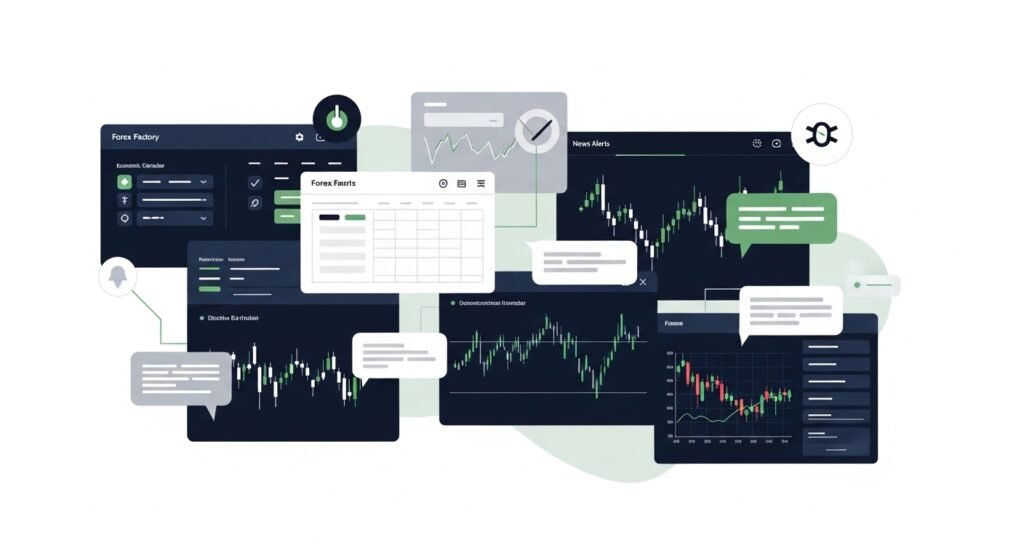
Forex Factory is one of the most popular platforms for forex traders, offering tools like the economic calendar, news filters, and active forums. By using these tools wisely, traders can reduce the risk of revenge trading and improve discipline.
High-impact news events, such as central bank announcements or major economic releases, can create sudden market volatility. Trading during these times can tempt you to make impulsive decisions to recover losses.
Practical Tip:
- Check the Forex Factory economic calendar before trading.
- Use news filters to avoid taking positions during high-risk periods, especially after a losing trade.
- Plan trades around low-volatility times to maintain rational decision-making.
2. Discuss Trading Psychology in Forum Threads
Forums on Forex Factory are a valuable resource, not just for trade ideas but for emotional support and strategy discussion. Instead of entering a trade immediately after a loss, consider:
- Sharing your feelings or experiences in psychology-focused threads.
- Asking for feedback on emotional trading patterns rather than trade signals.
This allows you to vent frustrations constructively and learn from other traders’ experiences without risking your capital.
3. Share Journal Entries or Setups for Community Feedback
Keeping a public or private trading journal and sharing setups on forums can help you stay accountable. Feedback from experienced traders can highlight potential mistakes and prevent revenge trades.
Practical Tip:
- Post screenshots of your analysis, entry/exit points, and reasoning.
- Reflect on any emotional decisions after receiving constructive feedback.
- Adjust your strategy based on both objective results and community insights.
Common Signs of Revenge Trading
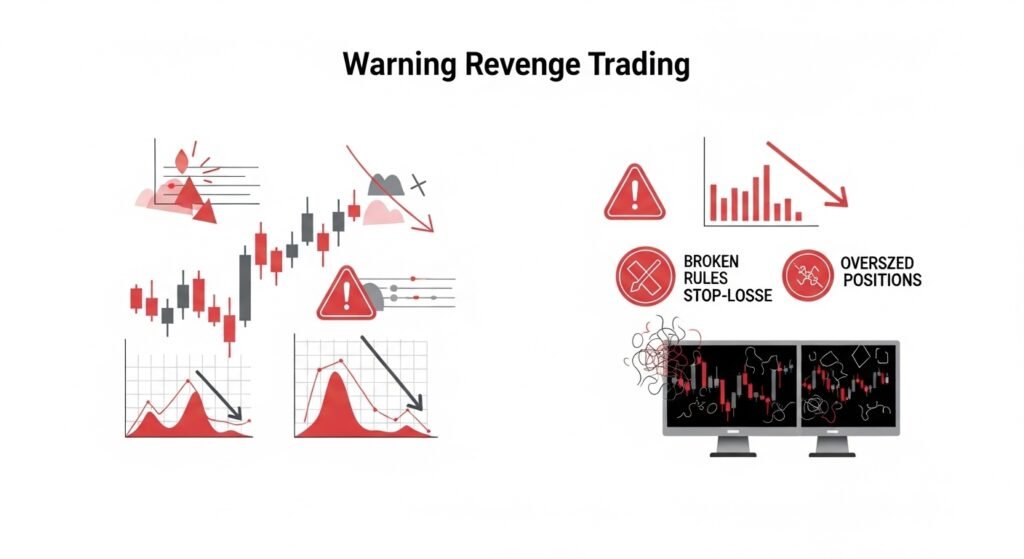
Recognizing the signs of revenge trading early can help traders stop emotional behavior before it causes serious damage to their trading account. Below are the most common warning signals every forex trader should watch for:
1. Trying to Immediately Recover a Loss
One of the clearest signs of revenge trading is the urge to win back money right after a losing trade. Instead of waiting for a valid setup, traders rush into the next trade driven by frustration. This usually leads to poor entries and additional losses.
2. Increasing Trade Size After a Loss
Another major red flag is opening larger positions than usual after a losing trade. Traders believe a bigger trade will recover losses faster, but this dramatically increases risk and can quickly wipe out the account.
3. Ignoring Stop-Loss Orders
Revenge traders often remove or widen stop-losses, hoping the market will reverse. This behavior turns controlled losses into uncontrolled ones and breaks basic risk management rules.
4. Emotional or Impulsive Decision-Making
If trades are placed based on anger, frustration, fear, or overconfidence rather than analysis, it is a strong sign of revenge trading. Emotional trades usually ignore strategy rules, confirmations, and market structure.
Why Identifying These Signs Matters
By spotting these behaviors early, traders can pause, regain emotional control, and return to disciplined trading. Awareness is the first step toward protecting capital and maintaining long-term consistency.
If you want, I can now write Section 9: How a Trading Journal Helps Prevent Revenge Trading or move directly to the Conclusion + FAQs to complete the article.
Summary / Takeaways
Avoiding revenge trading is essential for long-term success in forex trading. Emotional reactions after losses can push traders to break their rules, increase risk, and make impulsive decisions that damage both confidence and capital.
The most effective ways to prevent revenge trading include developing and strictly following a trading plan, maintaining emotional control, applying proper risk management, and keeping a detailed trading journal. These practices help traders stay objective, learn from mistakes, and avoid repeating emotionally driven behavior.
By controlling emotions and sticking to a structured approach, traders can protect their trading accounts, achieve more consistent returns, and build disciplined trading habits. Success in forex trading does not come from chasing losses but from patience, consistency, and well-managed decisions over time.
References / Sources
The following trusted resources provide deeper insights into revenge trading, trading psychology, and practical ways to avoid emotional decision-making in forex trading:
- EBC – 10 Warning Signs You’re Revenge Trading
https://www.energiebroker.com/blog/revenge-trading-warning-signs/ - AtoZ Markets – Revenge Trading in Forex: What It Is and How to Avoid It
https://atozmarkets.com/news/revenge-trading-in-forex-what-it-is-and-how-to-avoid-it/ - PlanCana – How to Avoid Revenge Trading in Forex
https://www.plancana.com/how-to-avoid-revenge-trading-in-forex/ - Forex VIP Signals – Avoiding Revenge Trading
https://www.forexvipsignals.com/blog/avoid-revenge-trading/
FAQs
Yes, most traders experience revenge trading at some point, especially beginners. Even experienced traders can fall into this trap during losing streaks. The key difference between successful and unsuccessful traders is how quickly they recognize the behavior and stop it.
Emotional control starts with accepting losses as a normal part of trading. Taking breaks after losses, reducing position size, following a written trading plan, and reviewing past successful trades can help restore confidence and discipline.
Yes, Forex Factory alerts can help by keeping traders informed about high-impact news events. Avoiding trades during volatile news releases reduces emotional pressure and prevents impulsive decisions after losses.